
Japan is a mesmerizing destination where ancient traditions blend seamlessly with ultra-modern street styles. When planning a trip, one of the most common questions travelers ask is what to wear in Japan. The answer isn’t just about looking good in your travel photos; it is about navigating four distinct seasons, massive climate variations from the snowy peaks of Hokkaido to the sunny beaches of Okinawa, and a unique cultural landscape that values modesty and neatness. Unlike many Western countries where athleisure and ultra-casual wear are the daily norms, Japan embraces a more polished, smart-casual aesthetic even for everyday errands and sightseeing.
Creating the perfect packing list requires a deep understanding of Japanese clothing etiquette and the specific weather patterns of the season you plan to visit. From sweltering, humid summers to freezing, biting winters, your wardrobe needs to be highly adaptable and thoughtfully curated. Whether you are wandering through the neon-lit streets of Shibuya or exploring the serene, ancient bamboo forests in Kyoto, having the right outfits will keep you comfortable and culturally respectful. In this comprehensive style guide, we are breaking down 12 essential tips on what to wear in Japan for every season, ensuring you are perfectly dressed for every single moment of your journey.
Essential Japanese Style & Etiquette Rules
1: Respect the “Modesty” Standard
When packing for your Japanese adventure, the most important cultural nuance to grasp is the local standard of modesty. Japanese fashion, regardless of the season, leans heavily towards conservative and well-tailored silhouettes. While Tokyo boasts some of the most avant-garde street fashion in the world, the general public prefers outfits that do not reveal too much skin. Deep necklines, exposed shoulders, and ultra-short skirts or shorts are rarely seen on locals, and wearing them can sometimes draw unwanted attention or make you feel out of place in traditional settings.
Instead of showing skin, Japanese style focuses on volume, layering, and high-quality fabrics. Midi and maxi skirts, wide-leg trousers, and high-neck tops are incredibly popular across all age groups. If you are visiting during the warmer months and want to wear a tank top or a slip dress, it is highly recommended to layer a lightweight cardigan or an oversized button-down shirt over it. By adopting this “smart-casual” and modest approach, you will not only blend in effortlessly with the locals but also show respect for their cultural norms, especially when visiting rural areas or historic districts.
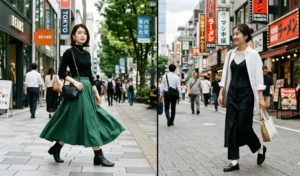
2: Wear Easy Slip-On Shoes (and Clean Socks)
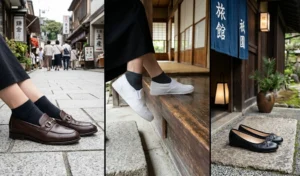
If there is one absolute truth about traveling in Japan, it is that you will be taking your shoes off constantly. The Japanese custom of removing footwear indoors applies to a wide variety of places, including traditional ryokan (inns), temples, shrines, tea houses, and even fitting rooms in modern clothing stores like Uniqlo. Some traditional restaurants with tatami mat seating will also require you to leave your shoes at the entrance. Because of this, packing complicated lace-up boots or shoes with difficult buckles will quickly become a frustrating inconvenience during your daily explorations.
To make your life easier, prioritize stylish yet functional slip-on shoes, such as loafers, sleek slip-on sneakers, or high-quality flats. Equally important as the shoes themselves is what you wear underneath them. Because your socks will be on public display frequently, it is crucial to pack socks that are clean, in excellent condition, and strictly hole-free. Walking around a sacred temple or a high-end boutique with worn-out or mismatched socks is considered a major faux pas. Make sure to pack plenty of fresh, presentable socks to maintain a polished look from head to toe.
What to Wear in Japan in Spring (March – May)
3: Pack a Lightweight Trench Coat for Sakura Season
Springtime in Japan is famous worldwide for the breathtaking Sakura (cherry blossom) season, drawing millions of tourists who want to witness the country painted in shades of pink. However, spring weather in Japan is notoriously unpredictable. A day that starts with bright, warm sunshine can easily transition into a chilly, breezy afternoon, and evenings almost always require an extra layer of warmth. This is why having a versatile outer layer is absolutely non-negotiable when creating your spring packing list.
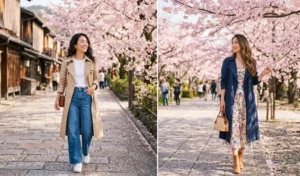
The ultimate staple piece for this season is a classic, lightweight trench coat. Not only is the trench coat incredibly popular among stylish Tokyo locals, but it also provides the perfect amount of insulation without causing you to overheat. It effortlessly elevates any outfit, turning a simple jeans-and-t-shirt combination into a sophisticated ensemble perfect for upscale dining or museum visits. Opt for neutral colors like beige, camel, or soft navy, as these tones photograph beautifully against the vibrant pinks and whites of the cherry blossoms.
4: Choose Stylish Sneakers Over Heels for Walking
A trip to Japan is, without a doubt, an athletic endeavor. It is completely normal for travelers to clock between 15,000 to 25,000 steps a day while navigating massive underground subway stations, exploring expansive temple grounds, and wandering through endless shopping districts. Given the sheer amount of walking required, bringing high heels or unsupportive dress shoes is a recipe for blistered feet and a ruined itinerary. Comfort must be your top priority, but that doesn’t mean you have to sacrifice your personal style.
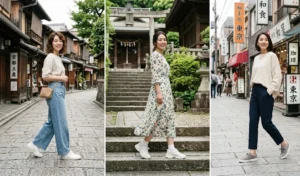
Ditch the stilettos and instead pack a pair of high-quality, supportive sneakers. Clean, minimalist white sneakers are a massive trend in Japanese street fashion and pair beautifully with everything from wide-leg denim to feminine spring dresses. When wandering the cobblestone streets of Kyoto’s Gion district or climbing the steep stone steps of a Shinto shrine, you will be incredibly grateful for the traction and arch support. Just remember to give your sneakers a good wipe-down before your trip, as Japanese culture highly values cleanliness and well-maintained footwear.
What to Wear in Japan in Summer (June – August)
5: Beat Humidity with Cooling Tech-Fabrics & UV Layers
If you are traveling to Japan between June and August, you must prepare for intense heat and punishing humidity. According to the Japan National Tourism Organization (JNTO), summer temperatures frequently exceed 30°C (86°F) with incredibly high humidity levels that can make it feel much hotter. Heavy cottons and synthetic blends that trap heat will make you miserable. Instead, your summer wardrobe should exclusively feature breathable fabrics like linen, chambray, and moisture-wicking tech wear. Local brands excel at this, producing cooling innerwear that actually lowers your body temperature while absorbing sweat.
If your itinerary includes escaping the city heat and heading to the southern islands, your wardrobe can shift to match the coastal vibe. If you are planning to hit the beaches in Okinawa or enjoy a tropical getaway during the hotter months, bringing along some 15 Y2K 2000s summer fashion staples everyone needs can add a fun, nostalgic flair to your vacation wardrobe. Additionally, Japanese locals are incredibly serious about sun protection. You will rarely see them baking in the sun; instead, they use stylish UV-blocking arm covers, wide-brimmed hats, and sun parasols. For those hot, sunny days exploring coastal towns, you might even draw inspiration from some top 15 Y2K tropicalcore outfit ideas for 2026 to keep your look vibrant and trendy while staying relatively cool.
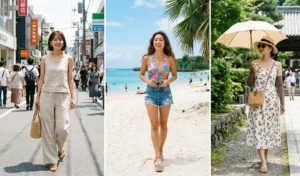
6: Prepare for Tsuyu (Rainy Season) with Smart Gear
Early summer in Japan brings Tsuyu, the annual rainy season that typically spans from early June to mid-July. During this time, sudden downpours and persistent, drizzly days are a daily reality. However, letting the rain confine you to your hotel room is a mistake. Japan is incredibly well-equipped for the rain, and with a few smart wardrobe choices, you can continue sightseeing without missing a beat. The key is to pack items that are water-resistant but still breathable, as the humidity remains high even when it is pouring.
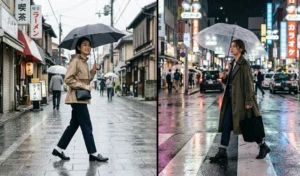
Leave your heavy, brightly colored raincoats at home. Instead, opt for a sleek, water-resistant windbreaker in a neutral shade. As for footwear, swap out suede or canvas shoes for stylish, waterproof loafers or treated leather slip-ons that can withstand puddles. You also do not need to take up valuable luggage space with a bulky umbrella. Once you arrive, do as the locals do and purchase a clear, transparent umbrella from the nearest 7-Eleven or FamilyMart. These iconic clear umbrellas not only look incredibly chic in rainy Tokyo street photography, but their deep dome shape provides excellent coverage without obstructing your view of the neon signs and bustling crosswalks.
What to Wear in Japan in Autumn (September – November)
7: Match the Momiji (Foliage) with Earth-Toned Knitwear
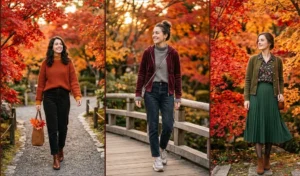
Autumn in Japan is arguably the most visually stunning time to visit, characterized by crisp air, clear skies, and the spectacular momiji (autumn leaves). The country transforms into a vibrant canvas of deep reds, burnt oranges, and golden yellows. To look your best against this breathtaking backdrop, curate an autumn wardrobe built around warm, earthy tones. Sweaters, cardigans, and knit dresses in shades of rust, mustard, and olive green will ensure your outfits harmonize perfectly with the surrounding nature and look incredible in your travel photos.
While cozy knitwear is essential, autumn is also a great time to experiment with transitional fashion pieces before the harsh winter sets in. You can mix heavier textures with lighter garments, like pairing a chunky knit sweater with a flowing midi skirt and sheer tights. If you want to add a bit of nostalgic flair to your autumn layers, consider incorporating subtle retro elements. For instance, exploring 11 McBling outfits that bring Y2K back to life can inspire you to add fun textures like velour or statement accessories to your layered look, making sure you stand out in the trendy streets of Harajuku while staying weather-appropriate.
8: Bring a Versatile Blazer for Day-to-Night Transitions
The weather during a Japanese autumn can be quite deceptive. While midday temperatures in cities like Tokyo and Osaka are often pleasant and warm, the moment the sun sets, a sharp chill fills the air. This rapid temperature drop means you need a versatile outer layer that can easily transition from a sunny afternoon to a brisk evening. A tailored blazer or an oversized smart-casual jacket is the absolute perfect choice for this season, offering both style and functionality.
A blazer instantly elevates a simple t-shirt and jeans combination, allowing you to seamlessly transition from daytime temple hopping to an upscale evening dinner at a high-end sushi restaurant without needing to return to your hotel to change. For a deeper dive into seasonal packing strategies and managing unpredictable autumn weather, fashion authorities like Vogue’s Travel Style Guide recommend investing in high-quality wool-blend blazers that resist wrinkling in your suitcase. Pair it with a lightweight pashmina shawl that can easily be tossed into your day bag when not in use.
What to Wear in Japan in Winter (December – February)
9: Master the Art of Invisible Thermal Layering
Winter in Japan can be bitterly cold, especially if your itinerary takes you to northern regions like Hokkaido or the Japanese Alps, where heavy snowfall is the norm. Even in Tokyo and Kyoto, freezing winds sweeping between skyscrapers can quickly chill you to the bone. The secret to surviving a Japanese winter without looking like a shapeless marshmallow is mastering the art of invisible thermal layering. The Japanese are experts at this, heavily relying on ultra-thin, heat-retaining undergarments to stay comfortable.
Instead of packing massive, chunky sweaters that take up your entire suitcase, bring multiple sets of high-quality thermal innerwear, like Uniqlo’s famous Heattech line. These paper-thin layers fit snugly against your skin, trapping your body heat beneath your stylish everyday clothes. By wearing thermal long-sleeve tops and leggings underneath your standard trousers, skirts, and blouses, you can maintain a sleek, tailored silhouette while staying exceptionally warm during long hours of outdoor sightseeing and exploring winter illuminations.
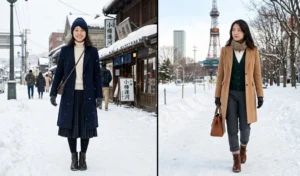
10: Invest in a Structured Wool Coat & Touchscreen Gloves
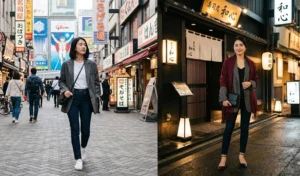
Because you will spend so much time outdoors walking between train stations, shrines, and shopping districts, your winter coat will essentially become your entire outfit. Every photo you take and every person you meet will see this outer layer first. Therefore, leave the overly casual ski jackets at home unless you are actually hitting the slopes. Instead, invest in a beautiful, structured wool coat that exudes an elegant, sophisticated vibe that fits right into Japan’s polished urban centers.
A long, tailored wool coat in black, camel, or charcoal gray is a winter staple in Japan and instantly makes you look put-together. Don’t forget to accessorize strategically for the cold. A thick, high-quality scarf and a warm beanie are absolute must-haves. More importantly, bring a pair of touchscreen-friendly leather gloves. You will be constantly relying on your smartphone to navigate the complex subway systems via Google Maps or to translate menus, and having to remove your gloves in freezing temperatures every five minutes is an agonizing experience you want to avoid.
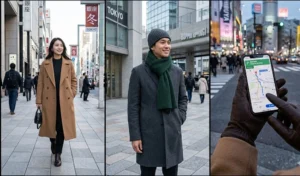
Smart Travel Hacks for Japan
11: Swap Athleisure for “Elevated Casuals”
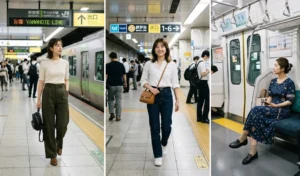
In many parts of the world, wearing yoga pants, matching sweat-sets, or standard gym wear is completely acceptable for a day of casual travel or running errands. In Japan, however, athleisure is strictly viewed as workout gear. Wearing sweatpants or activewear out in public, especially on the busy train systems or in commercial districts, will immediately mark you as an unaware tourist. Japanese locals take immense pride in their everyday appearance, favoring “elevated casuals” even on their relaxed days off.
Instead of packing leggings as pants, opt for tailored wide-leg trousers, stylish dark-wash denim, or comfortable midi dresses. If you are a fan of bold, statement-making styles for your vacations, you don’t have to abandon your personal taste—just refine it. For example, if you love vibrant, nostalgic aesthetics, check out these 12 Y2K fashion trends making a tropical comeback to see how you can incorporate fun prints and accessories in a way that still feels deliberate, styled, and culturally respectful, rather than looking like you just rolled out of bed.
12: Master the Yukata Rules for Onsen & Ryokan Stays
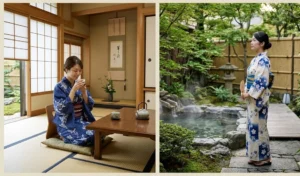
No trip to Japan is truly complete without experiencing the incredible hospitality of a traditional Ryokan (inn) or soaking in a natural hot spring (Onsen). During your stay, you will typically be provided with a Yukata, a lightweight cotton robe meant to be worn around the inn, to dinner, and to the baths. While wearing a Yukata is a beautiful, relaxing, and highly photogenic experience, there is one critical rule you must never break: always wrap the left side over the right side.
Wrapping the right side over the left is exclusively reserved for dressing the deceased at funerals in Japanese culture. Making this mistake is considered highly offensive and will undoubtedly cause discomfort among your hosts and local guests. When tying the obi (sash), wrap it securely around your waist to keep the robe closed. Additionally, if you have tattoos, keep in mind that many traditional onsens prohibit them; you may need to use skin-colored cover-up stickers or book a private bath (kashikiri onsen) to comply with local rules while still enjoying the experience.
Conclusion
Packing for Japan doesn’t have to be a stressful endeavor if you keep a few golden rules in mind: prioritize comfort for endless walking, master the art of smart layering, and always dress with a touch of modest sophistication to respect the local culture. Whether you are navigating the humid summers of Kyoto in breathable linen or braving the snowy winters of Hokkaido in sleek thermal layers, planning your wardrobe around the specific season will ensure you look as amazing as you feel. Remember, the goal is to blend stylish versatility with practicality, allowing you to seamlessly transition from historic temples to modern metropolis dining.
As a final tip, always try to pack light. Japanese train stations often involve navigating multiple flights of stairs, and hotel rooms can be notoriously compact. Stick to a well-planned capsule wardrobe and take advantage of the coin laundries found in almost every neighborhood. What season are you planning to visit Japan? Let us know in the comments below, and don’t forget to explore our other style guides on StyleMagy to ensure your travel wardrobe is absolutely picture-perfect!
(FAQs)
Q1: Can I wear leggings or yoga pants in Japan?
While you can wear them, athleisure pieces like leggings, sweatpants, and yoga pants are generally viewed as workout gear in Japan, not everyday streetwear. If you wear them casually, you might stand out as a tourist. For a more culturally appropriate and polished look, opt for wide-leg trousers, tailored jeans, or comfortable midi skirts.
Q2: Is it acceptable to wear shorts in Japan during the summer?
Yes, wearing shorts is completely acceptable, especially during the sweltering and humid summer months of June through August. However, it is best to avoid ultra-short, heavily distressed, or ripped styles. Tailored, mid-length, or loose-fitting shorts are highly preferred to align with Japan’s smart-casual dress standards.
Q3: What type of shoes should I pack for a trip to Japan?
Comfort and convenience are your top priorities. Pack highly supportive, comfortable walking shoes (like clean, stylish sneakers) because you will easily walk 15,000+ steps daily. Additionally, ensure your shoes are easy to slip on and off without complex laces, as you will frequently need to remove them at temples, shrines, traditional restaurants, and fitting rooms.
Q4: Are sleeveless tops or tank tops allowed in Japan?
While not strictly forbidden, exposing your shoulders or cleavage is generally considered immodest in Japan, especially in traditional or rural settings. If you want to wear a tank top or a slip dress to beat the summer heat, it is highly recommended to bring a lightweight cardigan, a UV-blocking layer, or a loose button-down shirt to layer over it.
Q5: What should I wear to visit a Japanese temple or shrine?
When visiting sacred sites like Shinto shrines or Buddhist temples, dressing respectfully is essential. Avoid revealing clothing such as deep necklines, bare shoulders, and very short skirts. Opt for modest, smart-casual outfits. Also, make sure you are wearing clean, hole-free socks, as you will likely be required to remove your shoes before entering certain indoor areas.
Q6: Do I need to dress up for dinner in Japan?
It entirely depends on the restaurant. Casual local eateries like Izakayas, ramen shops, and street food stalls have a very relaxed dress code. However, if you are dining at a high-end sushi restaurant, a Michelin-starred venue, or enjoying a traditional Kaiseki dinner at a Ryokan, a smart-casual outfit (such as a blazer or an elegant midi dress) is expected.