Walking into an interview room is one of the most defining moments of your career path. Long before you speak about your achievements or present your resume, your appearance communicates a powerful silent message. Psychological studies consistently show that interviewers form a lasting first impression within the first seven seconds of meeting a candidate. Presenting yourself in a polished, well-fitted, and industry-appropriate outfit sets a tone of respect, competence, and high attention to detail.
However, navigating modern workplace dress codes has become increasingly complex. The post-pandemic shift toward remote and hybrid setups has blurred the lines between formal corporate attire and casual everyday wear. Walking the fine line between looking overly stuffy or unprofessionally relaxed requires a strategic approach. The ultimate goal is to discover an ensemble that honors the specific culture of the company you are targeting while preserving your personal comfort and inner confidence.
Whether you are aiming for a high-stakes executive seat at a traditional financial firm or preparing for a dynamic panel presentation at a fast-growing creative startup, your clothing serves as your professional armor. By aligning your visual presentation with your career aspirations, you establish immediate credibility. Let’s dive into a curated list of professional outfit ideas designed to help you stand out, command respect, and navigate your next job interview with effortless authority.
Traditional Corporate & Formal Interview Outfits
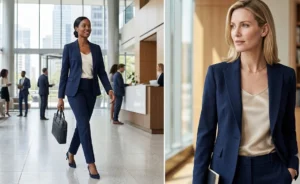
1. The Classic Navy Two-Piece Suit with a Silk Camisole
When interviewing at institutional organizations such as elite law firms, major banks, or consulting agencies, a structured suit remains the gold standard of professional excellence. A perfectly tailored two-piece suit in deep navy blue offers an elegant alternative to stark black, projecting an aura of approachability combined with absolute competence. The jacket should fit snugly across the shoulders without pulling at the buttons, and the trousers or matching skirt should feature a clean, straight fall that allows you to walk comfortably without restriction.
To soften the inherently rigid lines of corporate tailoring, layer the suit jacket with a premium silk camisole or a high-quality satin shell blouse in a soft ivory or champagne hue. This subtle contrast breaks up the monochromatic weight of the suit while maintaining an elevated baseline of sophistication. Opting for premium natural materials rather than flimsy synthetic layers ensures that your outfit remains breathable and crease-free under the pressure of intense interview rounds. Pair the entire look with classic pointed-toe leather flats or moderate block heels to complete a polished aesthetic.
2. Charcoal Tailored Trousers with a Crisp White Button-Down
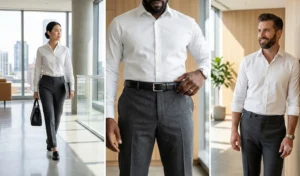
Few ensembles capture the essence of minimalist professional dressing quite like the pairing of charcoal grey trousers and a pristine white button-down shirt. Charcoal is an incredibly versatile neutral tone that pairs exceptionally well with almost any skin tone, conveying understated sophistication and stability. Look for trousers featuring a mid-to-high rise, structured front pleats, and a hemlined cut that skims the top of your professional footwear.
The accompanying white button-down must be meticulously pressed and constructed from opaque, high-density cotton to ensure a crisp, sharp silhouette. To keep this classic look from feeling overly formulaic, pay close attention to the structural details—a stiff, sharp collar and clean, buttoned cuffs instantly raise the value of the overall look. Tucking the shirt neatly into the waistband and accessorizing with a slender, high-quality black leather belt forms a highly organized visual framework. This ensemble communicates to human resource professionals that you respect the fundamentals of corporate etiquette and pay close attention to every minor detail.
3. The Structured Midi Sheath Dress in Black or Slate
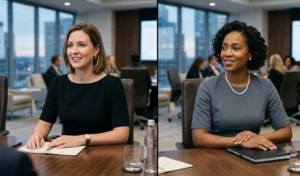
For candidates who prefer the streamlined convenience of a single-piece outfit, a structured midi sheath dress serves as an incredibly elegant and powerful option for corporate settings. The dress should feature a high, professional neckline—such as a boatneck or a modest crew cut—and the hemline should fall comfortably at or just below the knee when standing. Choosing a heavy, double-knit fabric or a structured wool-blend ensures the garment retains its clean, architectural shape throughout long periods of sitting.
To ensure the look complies fully with strict corporate dress codes, it is highly recommended to pair the sheath dress with a complementary cropped blazer or a structured, open-front jacket. A slate grey or deep black dress provides a perfect blank canvas, allowing you to incorporate subtle personal elements through strategic accessorizing. For example, a classic leather watch or an elegant, single-strand pearl necklace can add character without creating visual distraction. This combination projects a sophisticated, balanced presence that allows your professional qualifications to remain the central focus of the discussion.
Modern Business Casual Looks
4. High-Waisted Wide-Leg Trousers with a Fine-Knit Turtleneck
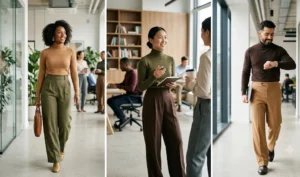
As contemporary workplace environments lean heavily into modern business casual aesthetics, mastering the art of relaxed yet sophisticated dressing is essential. High-waisted, wide-leg trousers crafted from fluid, mid-weight draping fabrics offer an incredibly fashionable yet completely work-appropriate silhouette. The voluminous structure of the trousers provides exceptional comfort during long interview panels while projecting an air of modern, contemporary professionalism.
To balance the expansive look of wide-leg pants, pair them with a beautifully fitted, fine-knit turtleneck sweater in a rich tonal neutral, such as camel, olive, or deep espresso brown. The fitted nature of the knitwear cleans up the lines of the body, creating an elongated, highly intentional frame. This combination strikes a beautiful balance between warmth, comfort, and professional readiness. Complete this look with a pair of pointed boots hidden beneath the wide hemline, ensuring a continuous, unbroken visual line that instantly commands attention.
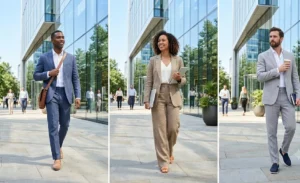
5. Smart Chinos Paired with Leather Loafers and an Oxford Shirt
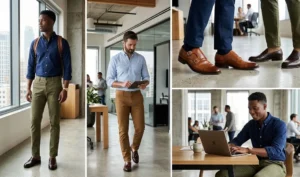
For male candidates or those interviewing in mixed-gender business casual environments like education, architecture, or tech management, premium chinos represent a phenomenal foundational piece. Step away from overly casual, saggy weekend khakis and instead invest in slim-fit, heavy-weight cotton chinos in deep olive, navy, or dark tan. The trousers should feature clean welt pockets and sit comfortably on the waist without the need for constant adjusting.
Pairing these tailored pants with a classic Oxford cotton button-down shirt establishes an instant standard of neatness. You can explore soft pastel tones or micro-check patterns here, provided they do not clash with the pants. Elevate this functional combination by wearing a pair of beautifully polished leather loafers or classic monk-strap shoes. Leaving the top button of the shirt casually unbuttoned while ensuring the shirt tail remains perfectly tucked into your waistband demonstrates that you understand how to navigate relaxed professional spaces without compromising on personal neatness.
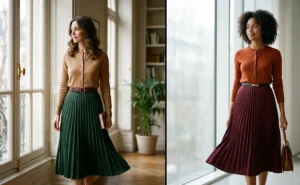
6. A Midi Pleated Skirt with a Structured Cardigan
A midi-length pleated skirt introduces an element of elegant motion and refined grace into the modern interview space, making it an excellent alternative to classic trousers. Choose a skirt featuring sharp, heat-set pleats and a substantial fabric weight—such as satin, heavy crepe, or structured knit—to prevent the garment from clinging static-free or shifting awkwardly when you sit down. Earthy tones or deep jewel shades work beautifully here, establishing a strong, sophisticated aesthetic presence.
To prevent the pleated skirt from feeling overly casual or breezy, anchor the upper half of your body with a fine-gauge, structured cardigan buttoned completely to the top, or a knit top featuring a modest crew neckline. Defining your natural waistline with a slim, contrasting belt provides an intentional, highly tailored finish. While this look embraces fluid, feminine styling elements, it retains a high level of professional modesty and structure, making it ideal for fields like public relations, corporate marketing, or non-profit leadership.
7. The Unstructured Blazer Over a High-Quality Cotton Crewneck
For tech sectors, modern design studios, and fast-paced digital startups, showing up in a traditional, stiff three-piece suit can sometimes signal that you are disconnected from the company’s agile, fast-moving culture. Instead, an unstructured blazer featuring soft shoulders and minimal lining offers a highly adaptable alternative. It provides the essential architectural frame of a classic jacket while embracing a relaxed, approachable look that aligns with modern creative leadership.
Layer this contemporary blazer over a premium, high-density cotton crewneck t-shirt or a minimalist silk-blend top in a contrasting neutral tone. It is important to remember that while transition pieces differ wildly from everyday casual wear like colorful beach sets or 15 Y2K summer fashion staples, professional hot-weather or startup dressing still requires absolute structure and modesty. Pairing this top combination with sharp, dark-wash trousers ensures your overall presentation remains highly polished, reliable, and corporate-ready. According to career building insights published on Harvard Business Review, dressing slightly above the average daily office standard of your target company demonstrates genuine enthusiasm and professional respect without making the panel feel uncomfortable.

Creative & Fashion Industry Interview Outfits
8. Statement Blazer in a Muted Jewel Tone (Emerald or Burgundy)
When applying for roles in creative directing, media, graphic design, or the fashion industry, playing it too safe with standard black-and-white corporate wear can sometimes work against you. In these dynamic environments, hiring managers are actively looking for candidates who possess a distinct point of view and a strong sense of personal aesthetic. A structured statement blazer in a rich, muted jewel tone—such as emerald green, deep burgundy, or sapphire blue—serves as the perfect vehicle to showcase your creative personality while remaining thoroughly professional.
To ensure the blazer remains the focal point of the ensemble, it is crucial to anchor the rest of your outfit with high-quality neutral basics. Pair the colorful jacket with a crisp black tailored trouser and a seamless mock-neck top or a high-end silk camisole. This strategic color-blocking technique prevents the outfit from becoming visually overwhelming. By thoughtfully balancing bold hues with classic tailoring, you signal to your potential employers that you understand how to harness creativity effectively without crossing the line into unprofessional territory.

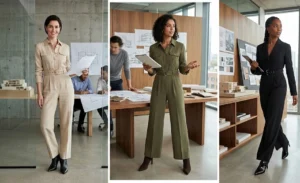
9. Tailored Jumpsuit in a Neutral Shade (Beige, Olive, or Black)
The tailored jumpsuit is a modern power move in the world of professional dressing, particularly well-suited for progressive agencies, architectural firms, and modern marketing hubs. Unlike traditional separates, a one-piece garment creates a continuous, unbroken visual line that naturally elongates the body and exudes quiet confidence. Opt for a jumpsuit constructed from a substantial fabric like heavy crepe, gabardine, or a structured cotton blend, ensuring the garment holds its shape rather than clinging uncomfortably to the body.
The secret to making a jumpsuit interview-ready lies entirely in its structural details and your choice of accessories. Look for designs featuring a defined, belted waistline, a modest V-neck or wrap-style top, and a wide or straight-leg cut. Elevate the look by pairing it with sleek, pointed-toe ankle boots or classic leather pumps, which add a sharp, authoritative finish. A jumpsuit perfectly demonstrates your ability to think outside the traditional corporate box, presenting you as a modern, forward-thinking professional who values both style and absolute efficiency.
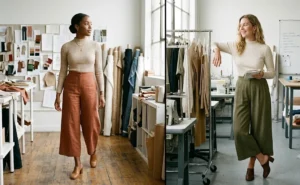
10. Wide-Leg Culottes with a Fitted Mock-Neck Top
Mastering the play of proportions is a hallmark of excellent personal styling, making wide-leg culottes an exceptional choice for anyone stepping into a design or editorial interview. Culottes offer the breezy, avant-garde volume of a midi skirt combined with the practical comfort and mobility of trousers. This unique silhouette shows that you keep an eye on modern tailoring trends and aren’t afraid to step slightly outside conventional office wear boundaries, which is a highly valued trait in aesthetically driven industries.
Because culottes bring significant volume to the lower half of your body, balancing the upper half is essential for a polished look. A beautifully fitted, ribbed mock-neck top creates a sophisticated and streamlined contrast. While creative roles do appreciate an awareness of current trends—and you might even draw subtle color inspiration from the top 15 Y2K tropicalcore outfit ideas for your portfolio shoots—an interview setting still demands a grounded approach. Stick to monochromatic color schemes or subtle earth tones to keep the focus on your skills rather than your clothes. Finish this highly curated look with block-heeled mules or structured loafers.
Weather-Smart Seasonal Interview Ideas
11. Lightweight Linen-Blend Suit for Summer Heat
Navigating an intense job interview during the sweltering summer months presents a unique set of wardrobe challenges. Arriving at an office flushed and visibly uncomfortable can shatter your focus and diminish your confidence. While pure linen is notorious for extreme wrinkling, a high-quality linen-blend suit (often woven with cotton, viscose, or lightweight wool) provides the perfect solution. It offers the exceptional breathability and cooling properties of summer fabrics while retaining the crisp, tailored structure required for corporate environments.
When selecting a summer suit, lean towards lighter, heat-reflecting shades such as soft dove grey, muted tan, or classic light navy. Layer the suit over a moisture-wicking undershirt or a feather-light silk blouse to ensure maximum airflow and comfort. According to style and fabric care experts at GQ Magazine, choosing unlined or half-lined jackets for summer tailoring drastically reduces heat retention without sacrificing the garment’s external silhouette. This level of practical, weather-smart preparation proves that you can adapt to difficult external conditions while flawlessly maintaining your professional standards.
12. The Wool-Blend Trench Coat Over Standard Office Wear
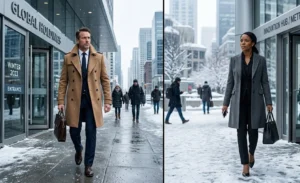
During the bitter winter months, candidates often focus entirely on the outfit worn underneath, completely neglecting their outerwear. However, your coat is the very first thing the receptionist, the hiring manager, and your future colleagues will see when you walk through the lobby doors. Arriving in a bulky, casual ski jacket instantly undermines the sharp, tailored suit you are wearing underneath. A structured, wool-blend trench coat or a classic tailored overcoat in camel, navy, or charcoal grey is an absolute necessity for winter interviewing.
Your winter outerwear must be intentionally sized to fit comfortably over a blazer without bunching at the shoulders or restricting your arm movement. When you enter the building, a high-quality, well-maintained coat signals an overarching commitment to excellence and personal presentation. Keep a travel-sized lint roller in your briefcase or tote bag to quickly remove any stray fibers or winter fuzz before you are called into the interview room. This meticulous attention to your complete, head-to-toe presentation ensures you leave a lasting impression of utter competence.
Conclusion
Securing your dream job requires a combination of stellar qualifications, excellent communication skills, and a visual presentation that commands immediate respect. The 12 professional interview outfit ideas outlined above are designed to remove the stress of getting dressed, allowing you to walk into any room—be it a conservative law firm or a bustling creative studio—feeling empowered and entirely in your element. Remember, the perfect interview outfit is never just about the clothes; it is about how those clothes make you feel. When you wear a tailored, comfortable, and industry-appropriate ensemble, your natural confidence shines through effortlessly.
We would love to hear about your career journey and personal style! Drop a comment below telling us which industry you are currently interviewing for, or share your ultimate “lucky” interview accessory that always makes you feel unstoppable. Once you ace that interview and land the job, be sure to explore the rest of StyleMagy for daily office style inspiration, seasonal wardrobes, and the latest trends to keep you looking sharp all year round.
(FAQs)
Q1: Is it acceptable to wear jeans to a professional job interview?
In most traditional and corporate environments, wearing jeans to an interview is still considered too casual and should be strictly avoided. Even if the company has a “casual Friday” policy, you should always aim to dress one step more formal than the daily office standard. However, if you are interviewing at a highly informal tech startup or a rugged creative agency, you might get away with wearing premium, dark-wash denim that has no rips or fading. Even in these rare exceptions, the jeans must be paired with a tailored blazer and polished shoes to maintain a professional baseline.
Q2: What are the safest colors to wear for a job interview?
The most universally accepted and psychologically safe colors for a job interview are classic neutrals: navy blue, charcoal grey, black, and crisp white. Navy blue is highly recommended by recruiters as it subliminally projects trust, stability, and confidence without the heavy severity of pure black. Grey communicates logic and analytical capability. You can incorporate subtle hints of color—like a pale blue shirt or a muted burgundy tie—but it is best to avoid loud, neon, or overly distracting patterns that might pull the interviewer’s attention away from your actual qualifications.
Q3: Do I still need to dress up for a virtual or Zoom job interview?
Absolutely. You should approach a virtual interview with the exact same level of professional respect as an in-person meeting. Dress in your complete interview outfit from head to toe—not just from the waist up. Wearing the full outfit, including professional shoes, psychologically shifts your brain into “work mode,” naturally improving your posture, vocal projection, and overall confidence. Additionally, solid, contrasting colors look much better on camera than busy stripes or houndstooth patterns, which can create a distracting optical illusion on screen.
Q4: What types of footwear should I completely avoid wearing?
Your choice of footwear can make or break your professional presentation. Regardless of the industry, you should completely avoid open-toed sandals, flip-flops, towering stilettos, casual sneakers, and heavily scuffed or dirty shoes. For corporate roles, stick to classic leather oxfords, brogues, low block heels, or polished flats. Remember that interviewers often glance at a candidate’s shoes as a subtle indicator of their attention to detail; taking five minutes to polish your shoes before leaving the house is an absolute must.
Q5: How can I find out the company’s dress code before the interview day?
The most direct and professional way to understand a company’s dress code is simply to ask. When the HR representative or recruiter emails you to confirm the interview time, it is completely acceptable to reply with: “Could you please let me know the standard dress code for the office so I can plan my attire accordingly?” If you prefer to investigate on your own, browse the company’s “About Us” page or their official LinkedIn and Instagram profiles. Look at group photos of their team to gauge the general day-to-day office aesthetic, and then dress slightly sharper than what you see in those pictures.