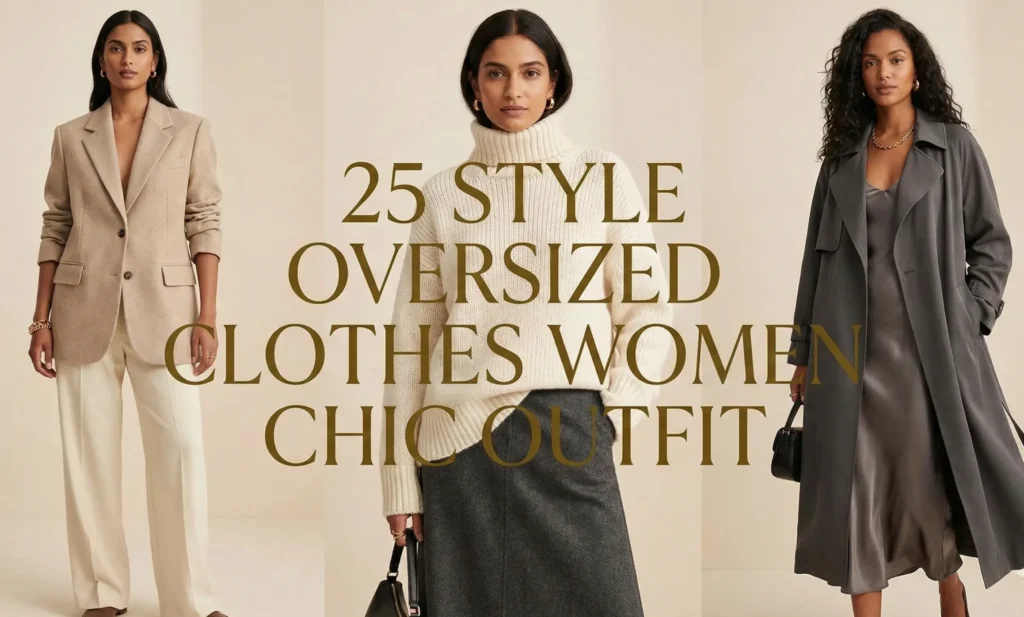
Traveling to Vietnam is a dream for many, but the reality of its tropical climate can be a shock for the unprepared. From the sweltering heat of Ho Chi Minh City to the misty, humid mornings in Sapa, dressing for Vietnam requires a delicate balance between style, comfort, and local cultural norms. Whether you are navigating the chaotic streets of Hanoi or cruising through the emerald waters of Ha Long Bay, what you wear significantly impacts how much you enjoy your trip.
Humidity is the silent enemy of fashion in Southeast Asia. It’s not just the temperature that makes you sweat; it’s the moisture-laden air that makes heavy fabrics feel like a second, suffocating skin. By choosing the right materials and cuts, you can stay cool while maintaining an aesthetic that fits the vibrant, photographic landscape of Vietnam. This guide will help you pack efficiently so you can focus on the adventure rather than your wardrobe.
The Golden Rules for Dressing in Vietnam’s Humidity
The most critical factor in your Vietnam wardrobe is fabric selection. Natural, breathable materials are non-negotiable. Linen, bamboo, and lightweight cotton should make up the majority of your suitcase. Unlike polyester or heavy synthetic blends, these fabrics allow air to circulate, preventing the “stuck to your skin” feeling that ruins a day of exploration. If you are leaning into specific aesthetics, consider how these natural fibers can replace the heavier fabrics often found in Y2K fashion trends making a tropical comeback, ensuring you stay cool while looking trendy.
Color and silhouette also play vital roles. Light colors reflect the harsh tropical sun, keeping your body temperature lower throughout the day. Simultaneously, opt for loose-fitting silhouettes. Tight-fitting clothing traps moisture, whereas oversized or relaxed cuts allow for better airflow. For those inspired by the 18 cute Y2K summer outfits seen in recent collections, focus on the loose-fit styles rather than the skin-tight pieces to survive the humidity with ease.
11 Vietnam Outfit Ideas (Part 1)
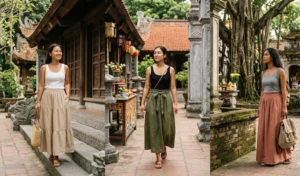
1. The “Temple Ready” Linen Maxi Skirt
A linen maxi skirt is a staple for any Vietnam itinerary, especially when visiting pagodas or historical sites. In many Vietnamese temples, it is essential to cover your knees, and a loose linen skirt provides the perfect, breezy solution. Because linen is highly breathable, it keeps you protected from the sun without making you feel overheated.
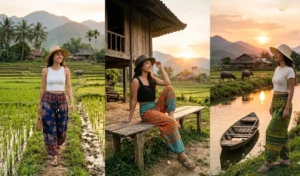
Style this with a simple tank top or a fitted tee for a balanced silhouette. The natural texture of linen adds a relaxed, sophisticated vibe that looks excellent in travel photography. For more tips on building a summer-ready aesthetic, check out these 10 must-have 2000s Y2K summer pieces to ensure your basics are as versatile as possible.
2. Bamboo-Fiber Utility Jumpsuit
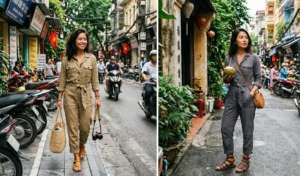
Jumpsuits are often avoided in humid weather due to their single-piece construction, but a bamboo-fiber utility jumpsuit is a game-changer. Bamboo fabric is naturally moisture-wicking and antibacterial, making it an ideal choice for long days of sightseeing in cities where you might be prone to sweating.
The utility style, featuring pockets and a relaxed waist, adds a touch of adventure-chic to your look. Since these are often lightweight, they dry quickly if you get caught in one of Vietnam’s sudden tropical downpours. Pair it with sturdy, water-resistant sandals, and you are ready for everything from street food tours to museum visits.
3. Monochrome Co-ord Sets
Co-ord sets are the ultimate “grab-and-go” solution for travelers who don’t want to spend time planning outfits. By sticking to a single color or a subtle matching print, you create a cohesive, put-together look instantly. Opt for sets made of thin cotton or rayon to maximize comfort.
Monochrome sets are also highly versatile. You can wear the top and bottom together for a coordinated ensemble, or mix and match them with other basics in your backpack. For travel-safe fashion inspiration, check out Vogue’s guide to sustainable travel style for insights on how to build a functional, minimalist capsule wardrobe.
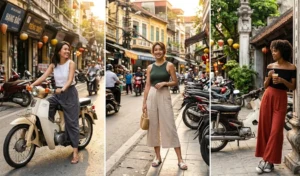
4. The “Motorbike Chic” Wide-Leg Culottes
Motorbikes are the lifeblood of Vietnamese transport. Whether you are hopping on a “Grab” bike or renting your own, wide-leg culottes are far more practical than standard shorts. They provide full coverage (preventing sun-scorched legs) while maintaining the airflow of a skirt.
Choose a pair with a high waist to create a flattering silhouette that stays secure while riding. They offer enough movement to easily mount a bike, and they provide a modest look that transitions seamlessly from a motorbike ride to an upscale café.
5. Sheer Button-Down Cover-up
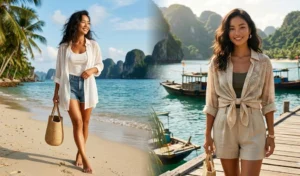
The sun in Vietnam can be intense, especially during midday. Instead of relying solely on heavy sunscreen, carry a sheer button-down shirt as a light cover-up. It acts as a protective layer against UV rays without adding unnecessary heat.
You can wear it open over a tank top or bikini, or tie it at the waist to change the look. This piece is essential for visiting coastal areas or wandering through sun-drenched markets. For an extra touch of style, you might look at how Y2K style outfits inspired by tropicalcore use sheer layering to create depth in a summer outfit.
6. Breathable Tank Dress with Built-in Bra
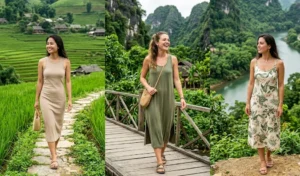
For days when even a light shirt feels like too much, a tank dress with a built-in bra is the minimalist’s dream. It removes the need for additional layers (like a bra strap that might chafe in the heat) and keeps your outfit simple and clean.
Look for jersey-blend fabrics that have a slight stretch but remain lightweight. A neutral color or a soft tropical print will fit perfectly into the Vietnam atmosphere. According to Condé Nast Traveler’s packing experts, prioritizing multi-functional pieces like a simple dress is the best way to handle the humidity while staying stylish.
7. Performance Hiking Skort
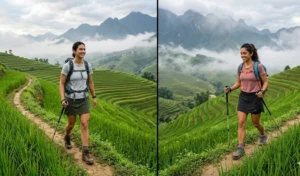
If your Vietnam itinerary includes trekking through the rice terraces of Sapa or exploring the lush landscape of Ninh Binh, a performance hiking skort is a must. It combines the aesthetic appeal of a skirt with the security and functionality of shorts underneath. This is essential for navigating uneven terrain or climbing stairs at historical monuments.
Look for synthetic, quick-drying fabrics that are designed for athletic wear but feature a more casual cut. This ensures you aren’t restricted during long hikes but still look great in your adventure photos. It is the ultimate compromise for the active traveler who doesn’t want to sacrifice style for utility.
8. Loose-Fit Harem Pants
In rural areas of Vietnam, mosquitoes can be an issue, particularly at dawn and dusk. Loose-fit harem or “elephant” pants made from thin rayon are the perfect solution. They keep your legs covered to deter bug bites while the loose cut ensures maximum airflow, making them far more comfortable than tight leggings in a tropical climate.
These pants often come in vibrant, local patterns that celebrate Southeast Asian design. They are incredibly lightweight, take up almost no space in your luggage, and are widely accepted as a casual, comfortable travel uniform.
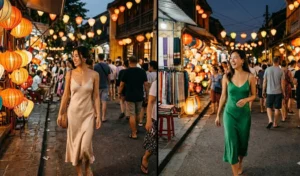
9. The “Night Market” Slip Dress
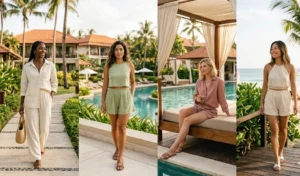
Vietnam’s night markets are hubs of energy, delicious street food, and social interaction. For an evening out, a lightweight slip dress is elegant yet perfectly suited for the lingering evening humidity. Choose a midi-length option to keep it sophisticated and versatile enough for a nice dinner.
The satin or silky finish of a slip dress feels cool against the skin even when the air is thick with humidity. You can dress it down with flat sandals for the market or elevate it with a light shawl if you plan to visit a rooftop bar. It is a timeless piece that aligns well with the aesthetic found in 20 Y2K beach outfit ideas you can actually wear.
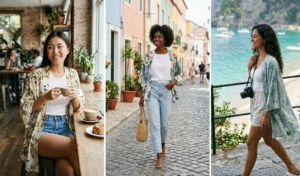
10. Kimono-Style Light Jacket
While it sounds counterintuitive to wear a jacket in the heat, a kimono-style outer layer is a travel essential for Vietnam. You will often encounter aggressive air conditioning on buses, trains, and planes, which can leave you freezing despite the tropical outdoor heat.
A kimono is typically open, flowy, and made of airy fabric, providing that extra layer of warmth when you need it without the bulk of a denim jacket or hoodie. It also acts as an instant “modesty cover” if you decide to pop into a temple on a whim while wearing a tank top.
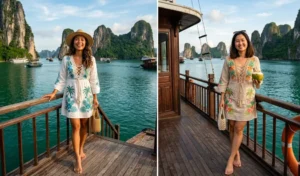
11. The “Ha Long Bay” Swim-to-Street Cover-up
Water activities are a massive part of the Vietnam experience. Instead of carrying a separate change of clothes, invest in a high-quality, stylish swim cover-up that doubles as a dress. Look for pieces with interesting details like lace-up backs or tropical embroidery.
This allows you to transition straight from a boat tour or a dip in the bay to a local seafood lunch without needing to hunt for a bathroom to change. It is all about efficiency. To see how these pieces fit into a broader vacation aesthetic, review our guide on top 15 Y2K tropicalcore outfit ideas for 2026 to master the coastal vibe.
Your outfit is only as good as your accessories. In Vietnam, a wide-brimmed, packable hat is non-negotiable for sun protection. Look for straw or foldable fabric options that won’t lose their shape in your backpack. Additionally, invest in polarized sunglasses; the reflection off the water in Ha Long Bay or the sun-bleached streets of Hoi An can be intense.
Footwear is another critical consideration. While your outfit might be perfect, uncomfortable shoes can ruin a trip. Bring a pair of high-quality, waterproof sandals with adjustable ankle straps. These will hold up during a sudden rainstorm and provide the support you need for walking several miles a day. For more advice on gear, REI’s Expert Advice on Travel Footwear offers great insights into picking the right pair for tropical climates.
Cultural Tips & Modesty Considerations
Vietnam is a welcoming country, but it remains culturally conservative, especially concerning religious sites. When visiting pagodas, temples, or mausoleums, always ensure your shoulders and knees are covered. This is not just a rule for entry; it is a sign of respect.
Surprisingly, covering up can actually keep you cooler. Lightweight long sleeves or long pants protect your skin from direct UV radiation, which is often more damaging than the heat itself. If you feel exposed in a tank top, carrying a light sarong in your bag is a classic, practical trick—simply wrap it around your waist when you reach a temple site, and stow it away when you are back on the street.
Conclusion
Packing for Vietnam doesn’t mean you have to sacrifice your personal style for the sake of utility. By focusing on breathable natural fabrics, loose silhouettes, and versatile pieces that transition from temple-ready to market-chic, you can stay cool and confident throughout your journey.
Remember that the best travel wardrobe is one that allows you to be spontaneous. Whether you are exploring ancient ruins or riding a motorbike through the countryside, your clothes should work for you, not against you. Start with these 11 ideas, mix in your favorite basics, and you will be perfectly prepared for the beautiful, humid adventure that is Vietnam.
(FAQs)
Q: What fabrics should I avoid when packing for Vietnam?
A: Avoid heavy denim, thick polyester, and tight-fitting synthetic blends. These materials do not allow your skin to breathe, trapping sweat and heat against your body, which can lead to discomfort and chafing in Vietnam’s high-humidity environment. Instead, prioritize natural fibers like linen, bamboo, and lightweight cotton.
Q: Do I really need to cover my shoulders and knees everywhere in Vietnam?
A: Not everywhere. In major cities, beach towns, and casual restaurants, there is no strict dress code, and standard summer attire is perfectly acceptable. However, you must cover your shoulders and knees when visiting pagodas, temples, and historical mausoleums (such as the Ho Chi Minh Mausoleum). Always carry a lightweight sarong or a sheer button-down shirt in your bag to easily comply with these rules when needed.
Q: How do I deal with sudden tropical downpours?
A: Vietnam experiences heavy, sudden rain, especially during the monsoon season. Instead of carrying a heavy raincoat, opt for a lightweight, packable poncho or a quick-dry windbreaker. Most importantly, wear waterproof sandals with good traction. Avoid leather shoes, as they can be ruined by water and take a long time to dry in humid conditions.
Q: Are there specific color palettes that work best for Vietnam’s climate?
A: Yes! Light, neutral, and earth-toned colors are ideal because they reflect the sun’s rays rather than absorbing them. Furthermore, neutral colors are highly versatile, allowing you to mix and match items easily to create different outfits without overpacking. If you want to add a pop of color, consider tropical prints that blend into the lush, vibrant landscape of the Vietnamese countryside.
Q: Is it easy to find laundry services in Vietnam?
A: Extremely easy. Laundry services are abundant throughout Vietnam, especially in backpacker hubs and major cities. Many hotels and guesthouses offer inexpensive, same-day wash-and-fold services. Because of this, you don’t need to pack for every single day of your trip—bringing enough clothes for 5–7 days and utilizing local laundry services is a great way to travel light.