Great style follows principles, not trends. These 24 wardrobe rules will help you build a closet that works for work, weekends, and everything in between. Whether you’re just starting to care about your style or refining your existing one, these rules provide a solid foundation.
Each rule is simple, practical, and stands the test of time. Follow these guidelines, and you’ll always look put together and confident. Let’s explore the essential wardrobe rules every modern man should know.
1. Prioritize Fit Above All
Clothes that fit well instantly elevate your look. A well-fitting, affordable suit looks better than an expensive one that doesn’t. Fit is the single most important factor in looking good.
Shoulders should lie flat without pulling or drooping. Pants should sit at your natural waist without sagging. Shirts should allow movement without excess fabric. When in doubt, size down and get it tailored.

2. Invest in Quality Basics
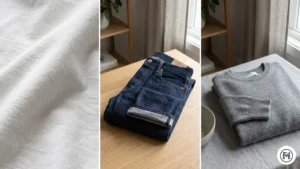
White shirts, dark jeans, and neutral tees form the foundation of your wardrobe. These basics get worn constantly, so quality matters. They should last for years and always look good.
Buy the best quality you can afford for pieces you wear most. A quality white shirt costs more upfront but lasts longer and looks better than cheap alternatives.
3. Own at Least One Navy Suit
A navy suit is versatile for work, weddings, and formal events. It’s more versatile than black and works in more situations. Every man needs at least one.
Make sure it fits perfectly. The navy suit handles job interviews, business meetings, funerals, and celebrations. This is your most important formal investment.

4. Keep Outerwear Classic
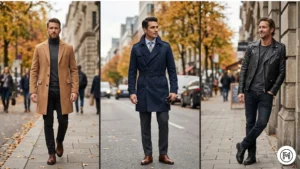
Camel coats, trench coats, and leather jackets never date. These classic pieces work year after year. Avoid trendy styles that will look dated in a season.
Invest in quality outerwear because it’s highly visible. A good coat can last a decade or more. Choose timeless cuts in neutral colors.
5. Rotate Shoes Regularly
Wearing different shoes each day preserves leather and adds variety to your outfits. Shoes need time to air out and recover their shape between wears.
Own at least three pairs of shoes you rotate regularly. Use shoe trees to maintain their shape. This simple habit makes your shoes last much longer.

6. Neutral Palette First
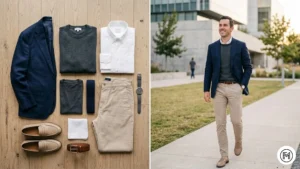
Black, navy, grey, and beige mix effortlessly together. Build your wardrobe foundation with these colors. They work for casual and formal occasions.
Once you have a solid neutral base, you can add accent colors. But neutrals should make up 80% of your wardrobe for maximum versatility.
7. Add Seasonal Fabrics
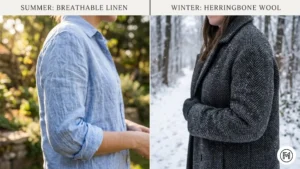
Linen in summer and wool in winter provide comfort and style. Wearing appropriate fabrics for the season shows you understand quality dressing.
Heavy wool in summer makes you sweat. Light linen in winter leaves you cold. Match your fabrics to the weather for both comfort and style.
8. Avoid Loud Logos
Subtle branding keeps outfits timeless. Big logos and brand names all over your clothes look cheap and dated. Let the quality of your clothes speak for itself.
Choose pieces with minimal or no visible branding. Quiet confidence beats loud labels every time. Your clothes should fit well and look good, not advertise.

9. Polish Your Shoes
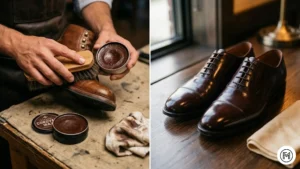
Footwear signals attention to detail. Scuffed, dirty shoes ruin even expensive outfits. Clean, polished shoes show you care about your appearance.
Polish leather shoes every few weeks. Clean sneakers regularly. Replace worn soles. This small habit makes a big difference in how people perceive you.
10. Layer Smartly
Sweaters, blazers, and coats add depth without clutter. Good layering shows sophistication and allows you to adjust for temperature throughout the day.
Start with a base layer, add a mid layer, and finish with an outer layer. Keep colors coordinated. Don’t add more than three layers or you’ll look bulky.
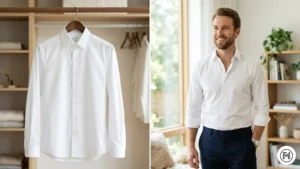
11. Own a Crisp White Shirt
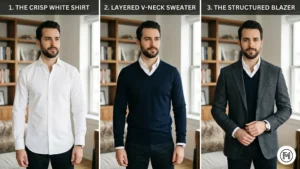
The white button-down shirt is the most versatile piece in any wardrobe. It works for the office, dates, casual weekends, and everything in between.
Invest in quality cotton that holds its shape. Buy at least two white shirts. Keep them pressed and stain-free. This single piece creates countless outfit options.
12. Keep Denim Dark and Simple
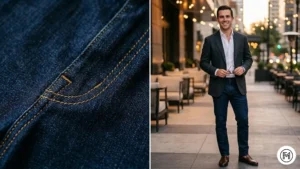
Slim or straight cut jeans in dark wash remain evergreen. They’re more versatile than light wash and easier to dress up or down.
Avoid extreme styles like super skinny or overly baggy. A classic cut in dark blue or black works for casual outings and can even work for smart casual settings.
13. Accessorize Minimally
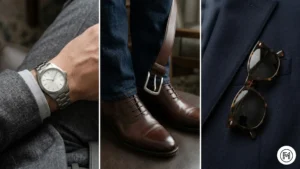
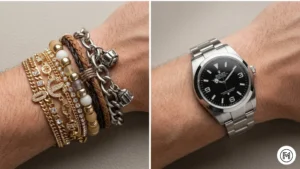
A watch, belt, or scarf is enough. You don’t need multiple bracelets, chains, or rings. Less is more when it comes to men’s accessories.
Choose quality over quantity. One good watch beats five cheap ones. Your belt should match your shoes. Keep accessories simple and classic.
14. Respect Proportions
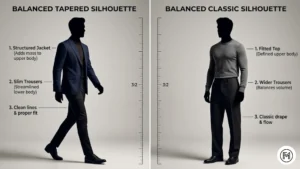
Balance slim trousers with structured tops. If you wear fitted pants, your top should have some structure. If you wear wide pants, keep your top more fitted.
Avoid baggy on baggy or tight on tight. One fitted piece balanced with one slightly looser piece creates the best silhouette.
15. Maintain Grooming
Hair and beard complete the outfit. Regular haircuts, trimmed facial hair, and basic skincare matter just as much as your clothes.
Find a good barber and visit regularly. Keep your beard neat or stay clean-shaven. Clean nails and fresh breath are non-negotiable. Style starts with grooming.

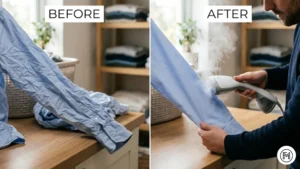
16. Iron or Steam Clothes
Wrinkles ruin even the best outfit. Take five minutes to press your shirt or steam your jacket. This small effort makes a huge difference.
Hang clothes properly to prevent wrinkles in the first place. Never leave the house in wrinkled clothes. Crisp, pressed clothing shows you care.
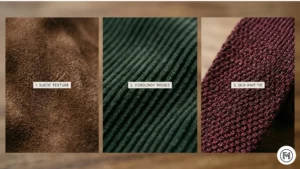
17. Experiment with Textures
Wool, suede, and cashmere add richness to outfits. Mixing textures creates visual interest without adding color or pattern.
A wool blazer over a cotton shirt with suede shoes creates depth. Different textures make simple outfits more sophisticated. This adds dimension without complication.
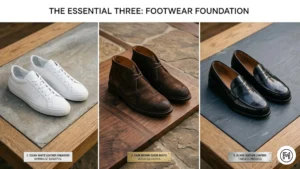
18. Own Versatile Footwear
Sneakers, loafers, and boots cover all occasions. White sneakers work for casual wear. Brown loafers handle smart casual. Boots work for fall and winter.
These three types of shoes cover 90% of situations. Invest in quality pairs that last. Good shoes are worth the money.
19. Monochrome Outfits Work
All black or all grey always looks sleek. Dressing in one color is modern and sophisticated. It simplifies getting dressed while looking intentional.
Match your top and bottom in the same color family. Add texture variation to keep it interesting. Monochrome is minimalism at its best.

20. Keep a Tailored Blazer Handy
A blazer instantly sharpens casual looks. It elevates jeans and a tee or adds polish to chinos and a shirt. This single piece transforms outfits.
A navy or grey blazer works with almost everything. Make sure it fits perfectly through the shoulders. This is your instant upgrade piece.

21. Update Wardrobe Seasonally
Refresh staples without chasing trends. Replace worn items and add a few seasonal pieces. But don’t completely overhaul your wardrobe every season.
Quality basics last for years. Replace white tees and basic items as needed. Add one or two current pieces if you want, but stay focused on timeless style.

22. Confidence is the Best Accessory
Clothes look best when worn with assurance. Stand tall, make eye contact, and carry yourself well. Confidence makes average outfits look great.
Wear what makes you feel good. Don’t force styles that don’t suit your personality. The best-dressed men are comfortable in their clothes.

23. Quality Watch Over Flashy Jewelry
A timeless watch shows refinement over excess. You don’t need flashy chains or multiple rings. One quality watch is all you need.
Choose a classic design that works with multiple outfits. A good watch is an investment that lasts decades. This is jewelry for men done right.
24. Less is More
Minimalism keeps style effortless and modern. You don’t need a huge wardrobe or complicated outfits. Fewer, better pieces work harder and look better.
A curated collection of quality items beats a closet full of cheap clothes. Simple outfits often look more sophisticated than overly styled ones.
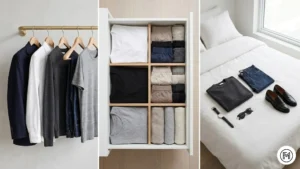
Applying These Rules to Your Life
You don’t need to follow all 24 rules perfectly from day one. Start with the most important ones like fit, quality basics, and neutral colors.
As you build your wardrobe, these principles become natural. You’ll automatically choose better-fitting clothes and maintain them properly.
The goal is not perfection. The goal is looking put together and feeling confident. These rules give you a framework to build on.
Common Questions About Wardrobe Rules
Some guys worry that following rules makes their style boring. Actually, these rules create a foundation that frees you to add personal touches.
Others think rules are too restrictive. But these guidelines are flexible. They help you make better choices, not limit your options.
The best style combines timeless principles with personal preference. Use these rules as your base, then add your own personality.
Building Your Wardrobe Around These Rules
Start with neutral basics that fit well. A navy suit, white shirts, dark jeans, and quality shoes form your foundation.
Add classic outerwear and versatile footwear. A camel coat, a leather jacket, and three pairs of good shoes expand your options.
Maintain everything properly. Polish shoes, press clothes, and replace items when needed. Quality pieces deserve quality care.
Stay focused on timeless style. Trends come and go, but these principles remain constant. Build slowly with intention.
Why These Rules Work
These 24 rules work because they’re based on timeless principles, not temporary trends. They apply whether you’re 25 or 55.
They simplify decision-making. When you know the rules, getting dressed becomes easier. You make better choices automatically.
They save money long term. Buying fewer, better pieces costs less than constantly replacing cheap items.
Most importantly, they give you confidence. When you know you look good, you feel good. And that makes everything else better.
FAQs
Q1: Do I have to follow all 24 rules?
No! Think of these as guidelines, not strict requirements. Start with the most important rules like fit (rule 1), quality basics (rule 2), and neutral colors (rule 6). As you get more comfortable with style, incorporate other principles. Even following half of these rules will dramatically improve how you look.
Q2: Are these rules only for formal dressing?
Not at all! These rules apply to all levels of dressing, from casual to formal. Fit matters whether you’re wearing jeans or a suit. Quality basics work for weekend tees and work shirts. Neutral colors help casual and formal outfits. These principles work across all style situations.
Q3: How much should I spend to follow these rules?
You can follow these rules on any budget. Fit and maintenance cost nothing. A $50 shirt that fits perfectly looks better than a $200 shirt that doesn’t. Focus on fit first, then buy the best quality you can afford for items you wear most. Build slowly over time.
Q4: What if I want to express my personal style?
These rules create a foundation for personal expression, not a restriction. Once you have quality basics that fit well, add personal touches through accessories, colors, or style choices. The rules give you a base to build from, not a cage to stay in.
Q5: How often should I update my wardrobe?
Replace items as they wear out. Basic tees might need replacing every year or two. Quality suits, coats, and shoes can last 5 to 10 years or more with proper care. Add a few seasonal pieces if you want, but don’t feel pressure to buy new clothes constantly. Timeless style doesn’t require constant updates.