Winter layering has evolved far beyond simply piling on clothes for warmth. In 2026, effective layering represents the intersection of functionality, fashion, and personal style expression. The modern approach to winter dressing emphasizes strategic combinations that regulate body temperature, create visual interest, and adapt seamlessly to fluctuating indoor and outdoor environments.
Understanding proper layering techniques separates men who merely survive winter from those who thrive during the coldest months. The right layering system allows you to maintain comfort whether you’re commuting on a freezing morning, working in a heated office, or enjoying evening activities. Beyond practicality, layering creates depth and dimension in your outfits, transforming basic pieces into sophisticated ensembles.
This comprehensive guide presents 22 essential winter layering combinations designed for the contemporary man. Each outfit formula balances warmth with style, offering solutions for various contexts from casual weekends to professional settings. Whether you’re navigating city streets or outdoor adventures, these layering strategies ensure you stay comfortable, confident, and impeccably dressed throughout winter 2026.
22 Winter Layering Ideas for Men: Warm & Stylish Looks for 2026
1. Base Layer + Wool Coat – Classic Winter Foundation
The foundation of exceptional winter dressing starts with a quality base layer beneath a structured wool coat. This timeless combination provides essential warmth while maintaining a streamlined silhouette. A fitted merino wool or thermal base layer regulates temperature close to the skin, while the wool coat offers wind protection and visual polish.
For professional settings, wear a long-sleeve base layer under a dress shirt, topped with a charcoal or navy wool overcoat. The base layer remains invisible while providing crucial insulation without bulk. For casual contexts, a simple crew neck base layer under a relaxed-fit wool coat creates effortless style. The key is selecting base layers in neutral colors that won’t show through your outer garments. This foundational approach works across all body types and style preferences, making it an essential starting point for winter wardrobe building.

2. Turtleneck + Overcoat – Sharp Minimal Style
The turtleneck and overcoat combination embodies minimalist sophistication. This two-piece layering approach creates clean lines and architectural silhouettes perfect for urban environments. A fitted turtleneck in merino wool or cashmere blend provides neck warmth without requiring scarves, while a structured overcoat completes the refined aesthetic.
Choose a black turtleneck with a camel overcoat for timeless contrast, or go monochromatic with charcoal on charcoal for modern edge. This combination works exceptionally well for business casual settings and evening occasions. The simplicity demands attention to fit—ensure your turtleneck follows your body’s natural lines without excess fabric, and select an overcoat that allows movement without appearing oversized. Add tailored trousers and leather Chelsea boots to complete this sharp, minimal look that communicates confidence and style awareness.
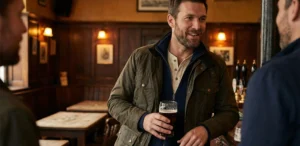
3. Thermal Tee + Flannel + Jacket – Casual Winter Layering
The thermal tee, flannel shirt, and jacket combination creates a relaxed, approachable winter outfit perfect for weekends and casual Fridays. This three-layer system balances warmth with versatility, allowing you to remove the outer jacket when moving between cold and heated spaces. The thermal base provides core warmth, the flannel adds texture and visual interest, and the jacket completes the practical ensemble.
Start with a fitted thermal crew neck in grey or black, add a heavyweight flannel in classic plaids or solid earth tones, and top with a denim jacket or lightweight field coat. This combination pairs naturally with jeans or chinos and works with both sneakers and boots. The layered collar effect creates visual depth at the neckline, while the mix of textures prevents the outfit from appearing flat. This approachable layering formula works across various casual contexts and ages beautifully as each piece develops character over time.
4. Hoodie + Puffer Jacket – Streetwear Winter Look
The hoodie and puffer jacket pairing represents contemporary streetwear layering at its most functional. This combination prioritizes comfort and warmth while maintaining the relaxed aesthetic central to modern casual style. The hoodie provides a soft layer against the skin and adds the option of hood protection, while the puffer jacket delivers exceptional insulation without excessive weight.
Choose a heavyweight hoodie in neutral tones or bold colors depending on your preferred statement level. Layer a fitted or slightly oversized puffer jacket on top—down or synthetic insulation both work well. This combination pairs perfectly with joggers or tapered jeans and chunky sneakers or winter boots. For elevated streetwear, select a puffer in technical fabrics with minimal branding and a premium hoodie in quality cotton blends. The contrast between the hoodie’s soft texture and the puffer’s shiny or matte exterior creates visual interest while keeping you exceptionally warm during the coldest days.

5. Sweater + Blazer + Coat – Smart Casual Layering
The sweater, blazer, and coat trio creates sophisticated smart-casual layering suitable for professional and social occasions. This combination demonstrates advanced layering skill by balancing multiple structured pieces without creating bulk. The sweater provides warmth and texture, the blazer adds refinement and structure, and the outer coat protects against elements while completing the polished look.
Start with a fine-gauge merino sweater in a complementary color to your blazer—navy sweater with grey blazer, or vice versa. Add an unstructured or soft-shouldered blazer that accommodates the sweater layer comfortably. Complete with a wool overcoat or car coat in a neutral tone. This combination requires careful attention to fit—each layer should allow the next without creating tightness or restricting movement. The result is an outfit that transitions seamlessly from outdoor winter weather to indoor professional environments, maintaining style and comfort throughout.
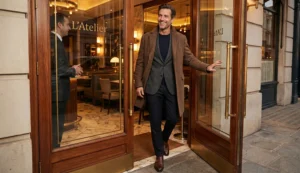
6. Denim Jacket + Hoodie + Coat – Urban Layered Style
The denim jacket, hoodie, and outer coat combination creates quintessential urban layering with roots in skate and street culture. This three-piece system balances casual comfort with practical warmth, making it ideal for city living and transitional temperatures. The hoodie provides the soft inner layer, the denim adds structure and style, and the outer coat delivers weather protection.
Wear a solid-colored hoodie under a classic blue or black denim jacket, topped with a wool overcoat or technical parka. This combination creates interesting layering at the neckline where the hood peeks out from under the denim collar and coat. The contrast between the denim’s rugged texture, the hoodie’s casual comfort, and the coat’s refined structure creates visual complexity while remaining approachable. This versatile formula works for everything from coffee runs to casual evening plans, offering adaptability as you move through different environments and temperature zones.
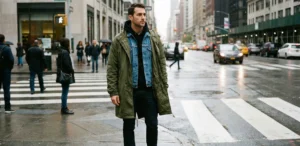
7. Knit Sweater + Trench Coat – Modern Elegant Fit
The knit sweater and trench coat pairing brings timeless elegance into contemporary contexts. This combination works beautifully for transitional winter days and creates a sophisticated silhouette that works across casual and business casual settings. A chunky knit sweater provides substantial warmth and texture, while the trench coat’s classic design adds refinement and weather protection.
Choose a cable-knit or textured sweater in neutral tones like cream, grey, or navy. Layer a modern trench coat—either classic khaki or contemporary black—over top. The trench’s clean lines complement the sweater’s texture, creating balanced visual interest. This combination pairs excellently with tailored trousers or dark jeans and leather boots. The look evokes European sophistication while remaining practical for modern urban life. For additional warmth, add a thin base layer underneath the sweater without compromising the clean exterior silhouette.
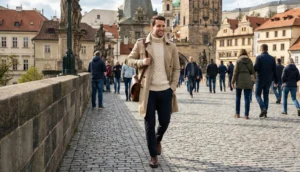
8. Shirt + Cardigan + Overcoat – Refined Winter Layers
The shirt, cardigan, and overcoat combination creates gentlemanly refinement perfect for professional and formal-casual occasions. This layering approach offers exceptional versatility—the cardigan can be removed indoors while maintaining a polished appearance. The three layers work together to create depth and visual interest while providing adjustable warmth.
Start with a quality dress shirt in white or light blue. Add a shawl collar or button-front cardigan in complementary tones—grey, navy, or earth tones work beautifully. Complete with a structured overcoat in charcoal or navy. This combination particularly shines in business casual environments where you can remove the coat upon arrival, revealing the refined shirt and cardigan pairing underneath. The cardigan adds texture and warmth while maintaining a more relaxed feel than a blazer, striking the perfect balance between professional and approachable.

9. Base Layer + Shirt + Quilted Jacket – Everyday Comfort
The base layer, shirt, and quilted jacket combination delivers everyday practicality without sacrificing style. This versatile layering system works for errands, casual workplaces, and weekend activities. The thermal base layer provides foundational warmth, the shirt adds visual polish, and the quilted jacket combines insulation with classic styling.
Wear a fitted thermal base layer under a casual button-down shirt in flannel, oxford cloth, or chambray. Top with a lightweight quilted jacket in neutral colors like navy, olive, or black. This combination maintains a clean, unfussy appearance while keeping you comfortable in moderate to cold conditions. The quilted jacket’s diamond pattern adds subtle texture without overwhelming the outfit, and the piece easily compresses for storage when moving indoors. This approachable layering formula works across age groups and style preferences, making it a reliable go-to for daily winter dressing.

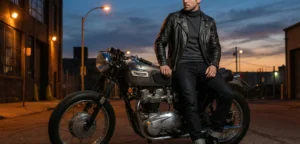
10. Turtleneck + Leather Jacket – Bold Winter Look
The turtleneck and leather jacket pairing creates bold, masculine winter style with rock-and-roll edge. This two-piece combination balances the turtleneck’s refined European aesthetic with the leather jacket’s rebellious attitude. The result is an outfit that works for evening plans, creative professional settings, and confident casual wear.
Choose a fitted turtleneck in black, grey, or navy merino wool or cashmere blend. Layer a well-fitted leather jacket—either classic black moto style or brown bomber cut—over top. This combination works exceptionally well with dark jeans or black trousers and boots. The turtleneck eliminates the need for scarves while providing neck warmth, and the leather jacket offers surprising insulation while making a strong style statement. For extreme cold, add a thin thermal base layer underneath the turtleneck without compromising the sleek exterior appearance.
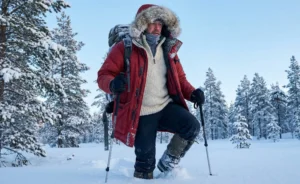
11. Thermal Top + Sweater + Parka – Extreme Cold Layering
The thermal top, sweater, and parka combination addresses serious winter conditions without sacrificing functionality. This three-layer system provides maximum warmth for extremely cold climates and extended outdoor exposure. Each layer serves a specific purpose—thermal base wicks moisture, the sweater insulates, and the parka blocks wind and precipitation.
Start with a fitted thermal top in merino wool or synthetic performance fabric. Add a medium to heavyweight sweater in wool or fleece. Complete with an insulated parka featuring down or synthetic fill and a waterproof shell. This combination keeps you comfortable in temperatures well below freezing while maintaining mobility. Choose parkas with adjustable features like drawstring waists and hood cinches to customize fit and seal out cold air. While prioritizing function, select pieces in coordinating colors—black thermal, charcoal sweater, and navy parka create a cohesive look even in extreme conditions.
12. Crewneck Sweatshirt + Coat – Relaxed Modern Style
The crewneck sweatshirt and coat pairing creates effortlessly cool winter style that balances comfort and refinement. This simple two-piece combination has become a cornerstone of modern men’s casual wear, offering versatility across various contexts. The sweatshirt provides soft warmth and laid-back appeal, while the coat adds structure and weather protection.
Choose a quality crewneck sweatshirt in heavyweight cotton or cotton-blend fleece. Neutral colors like grey, navy, or black offer maximum versatility, though strategic color choices can elevate the look. Layer a wool overcoat, car coat, or technical shell on top depending on weather conditions and desired aesthetic. This combination pairs naturally with jeans or chinos and works with both sneakers and boots. The key to elevating this casual pairing is selecting elevated versions of each piece—premium sweatshirts with refined details and well-constructed coats in quality materials transform basic comfort into considered style.

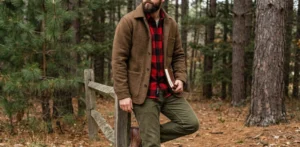
13. Flannel Shirt + Wool Jacket – Rugged Winter Vibe
The flannel shirt and wool jacket combination channels heritage workwear aesthetics adapted for contemporary contexts. This pairing creates a rugged, masculine look that feels equally at home in urban and outdoor settings. The flannel provides warmth and classic pattern interest, while the wool jacket adds refined structure.
Select a heavyweight flannel shirt in traditional plaids or solid colors. Layer a wool jacket—options include chore coats, blazers in textured wool, or structured shirt jackets. This combination works beautifully with jeans or corduroy pants and leather boots. The mix of flannel’s casual roots and wool’s refined nature creates balanced contrast that feels intentional rather than accidental. For additional warmth, add a thermal base layer underneath the flannel. This approachable layering formula appeals to those who appreciate classic American and outdoor-inspired aesthetics while maintaining modern wearability.
14. Base Layer + Hoodie + Bomber Jacket – Youthful Street Style
The base layer, hoodie, and bomber jacket trio creates youthful energy perfect for streetwear enthusiasts and casual dressers. This three-piece system offers adjustability and style versatility while maintaining comfort. The base layer provides foundational warmth, the hoodie adds soft texture and casual appeal, and the bomber jacket completes the urban aesthetic.
Start with a fitted thermal or performance base layer. Add a heavyweight hoodie in solid colors or with minimal graphics. Top with a bomber jacket in classic materials like nylon, wool-blend, or technical fabrics. This combination pairs naturally with joggers, slim jeans, or cargo pants and sneakers or boots. The bomber’s cropped silhouette creates balanced proportions, especially when worn with mid-rise pants. Choose coordinating colors across the three pieces for cohesion, or create contrast with a statement hoodie color beneath neutral outer layers.

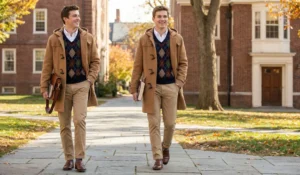
15. Sweater Vest + Shirt + Coat – Trendy Classic Revival
The sweater vest, shirt, and coat combination represents the resurgence of preppy aesthetics in contemporary menswear. This layering approach adds a distinctive element—the sweater vest—that creates visual interest and nods to classic collegiate style. The three pieces work together to create refined casual outfits suitable for various settings.
Wear a dress shirt or casual button-down as your base layer. Add a wool or cotton-blend sweater vest in complementary colors or patterns—solid vests over patterned shirts, or vice versa. Complete with a structured coat in neutral tones. This combination works particularly well for business casual environments and smart-casual social occasions. The sweater vest adds warmth around your core without sleeve bulk, making it practical under structured coats. This trend-aware layering formula demonstrates style awareness while maintaining approachability and wearability.
16. Henley Shirt + Knitwear + Jacket – Masculine Casual Layers
The henley shirt, knitwear, and jacket combination creates masculine casual layering with subtle refinement. This three-piece approach balances the henley’s relaxed appeal with the structure of knitwear and outerwear. The layered necklines create visual interest while maintaining an unfussy, approachable aesthetic.
Start with a long-sleeve henley in neutral colors or earth tones. Layer a cardigan, zip-up knit, or crew neck sweater on top. Complete with a casual jacket—denim, field coat, or bomber style. This combination works across weekend activities and casual Friday at work. The henley’s partial button placket creates a distinguished neckline that differentiates it from basic tees while remaining more casual than dress shirts. Choose knitwear in complementary weights and textures to the henley, creating depth without visual conflict. This versatile formula adapts to various personal styles from rugged to refined casual.
17. Oversized Sweater + Long Coat – Fashion-Forward Look
The oversized sweater and long coat pairing creates contemporary, fashion-forward winter styling. This combination embraces relaxed proportions and creates dramatic silhouettes that make strong visual statements. The oversized sweater provides cozy comfort, while the long coat adds elegant length and structure.
Choose a deliberately oversized knit sweater in quality materials—the piece should appear intentionally large rather than poorly fitted. Layer a long wool overcoat or trench that extends below the knee for maximum impact. This combination works best with fitted or tapered pants to balance the volume on top. The look channels high-fashion runway aesthetics while remaining wearable for real-world contexts. This layering approach particularly suits those comfortable with bold style choices and creates striking proportions that photograph beautifully. Pair with minimalist footwear like Chelsea boots or sleek sneakers to keep the focus on the dramatic layering.
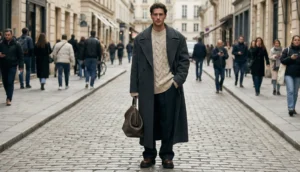
18. Shirt + Scarf + Overcoat – Sharp Office Layering
The shirt, scarf, and overcoat combination creates polished professional layering perfect for commuting and office environments. This three-piece approach provides adjustable warmth while maintaining business-appropriate appearance. The shirt forms the professional foundation, the scarf adds warmth and style interest, and the overcoat completes the refined exterior.
Wear a quality dress shirt as your base—white, light blue, or subtle patterns work well. Add a wool or cashmere scarf in complementary or contrasting colors. Complete with a structured overcoat in navy, charcoal, or camel. This combination allows you to arrive at the office looking polished despite cold commutes. The scarf can be removed upon arrival, leaving the professional shirt and outerwear ensemble. Choose scarves in solid colors or subtle patterns that coordinate with your coat and shirt, creating cohesive rather than competing visual elements. This essential professional layering formula works across industries and seniority levels.

19. Thermal Base + Fleece + Windbreaker – Lightweight Warmth
The thermal base, fleece, and windbreaker combination creates efficient layering for active winter pursuits and variable conditions. This three-piece system prioritizes function and packability while maintaining style. The thermal base manages moisture, the fleece provides insulation, and the windbreaker blocks elements.
Start with a fitted thermal base layer in merino wool or synthetic performance fabric. Add a fleece jacket or quarter-zip in medium weight. Complete with a windbreaker or shell jacket in waterproof or water-resistant material. This combination works excellently for outdoor activities, transitional weather, and situations requiring frequent layer adjustments. The system packs down efficiently when layers aren’t needed, making it practical for travel and varied daily activities. Choose pieces in coordinating colors—all black, navy and grey, or earth tones—to maintain visual cohesion even in technical fabrics.

20. Mock Neck + Blazer + Coat – Clean & Polished Fit
The mock neck, blazer, and coat combination creates sophisticated layering with modern appeal. This three-piece approach offers refined alternative to traditional shirt-and-tie business wear. The mock neck provides neck coverage and sleek lines, the blazer adds professional structure, and the coat completes the polished appearance.
Choose a fitted mock neck sweater or long-sleeve top in fine-gauge merino or cotton blend. Layer an unstructured or soft-shouldered blazer that accommodates the mock neck comfortably. Complete with a wool overcoat in complementary colors. This combination works beautifully for business casual settings and smart-casual evening occasions. The mock neck eliminates traditional shirt collar bulk under the blazer, creating cleaner lines and a more contemporary silhouette. Pair with tailored trousers and leather shoes for complete refinement. This modern layering formula demonstrates style evolution while maintaining professional appropriateness.

21. Denim Shirt + Knit Jacket – Casual Winter Smartness
The denim shirt and knit jacket pairing creates casual refinement perfect for smart-casual contexts. This two-piece combination balances denim’s rugged heritage with knitwear’s sophisticated appeal. The result is an approachable outfit that works for everything from casual Fridays to weekend dinners.
Wear a quality denim shirt in classic blue or chambray tones. Layer a knit blazer, cardigan-blazer hybrid, or structured knit jacket on top. This combination pairs naturally with chinos or dark jeans and works with both leather shoes and clean sneakers. The texture contrast between the denim’s weave and the knit’s structure creates visual interest while maintaining tonal harmony. This versatile pairing demonstrates that casual pieces can create refined outfits when combined thoughtfully. Add a coat for outdoor warmth while maintaining the smart-casual aesthetic.
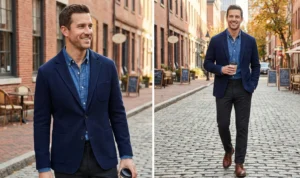
22. Monochrome Layering – Sleek & Modern Winter Style
Monochrome layering creates sleek, contemporary winter style by combining multiple pieces in the same color family. This sophisticated approach emphasizes texture, proportion, and fit rather than color contrast. The result is visually striking outfits that feel cohesive and intentional.
Build monochrome outfits using multiple shades within one color family—light grey base layer, medium grey sweater, charcoal coat creates depth within the grey spectrum. Alternatively, go full monochrome with all pieces in identical shades for maximum impact. This approach works across all colors but particularly shines in black, grey, navy, and earth tones. Mix textures—combine smooth, chunky, and structured fabrics—to create visual interest within the unified color palette. Monochrome layering demonstrates advanced style awareness and creates streamlined silhouettes that elongate the body and create powerful first impressions.
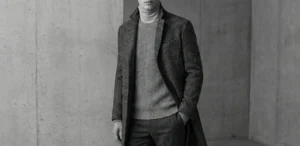
How to Layer Clothes Properly for Men in Winter 2026
Effective layering follows fundamental principles that ensure both warmth and style. The three-layer system forms the foundation: base layer for moisture management, mid layer for insulation, and outer layer for weather protection. Understanding this system allows you to adapt to any winter condition while maintaining comfort and appearance.
Start with proper fit in your base layer—it should be snug against your skin without restricting movement. This close fit allows the fabric to effectively wick moisture away from your body, keeping you dry and comfortable. Your mid layer should fit comfortably over the base layer without being too loose, as air gaps reduce insulation effectiveness. The outer layer should accommodate all inner layers while maintaining your desired silhouette—neither skin-tight nor excessively baggy.
Layer lighter fabrics close to your body and progress to heavier weights as you move outward. This natural progression creates comfort and prevents the feeling of being weighed down. Avoid the common mistake of wearing heavy fabrics directly against your skin, which can cause discomfort and reduced mobility.
Consider the visibility of each layer and how they work together aesthetically. Your outer layers frame your inner layers—ensure colors coordinate and proportions balance. If wearing a shorter jacket, it should hit at a complementary point to your mid-layer beneath. Longer coats allow more flexibility in mid-layer lengths.
Pay attention to necklines and how they layer together. A crew neck sweater works under most jackets and coats. Turtlenecks create clean lines but may feel restrictive under certain jacket collars. V-necks allow dress shirt collars to show, creating traditional layered looks. Understanding these relationships helps you make intentional choices rather than discovering incompatibilities when getting dressed.
Practice the art of “removable layering” by building outfits that look complete even when outer pieces are removed. Your base and mid layers should form a coherent outfit when you take off your coat indoors, not just serve as functional hidden layers.
Best Fabrics for Winter Layering: Wool, Fleece, Thermal & More
Fabric selection determines both the effectiveness and longevity of your winter layers. Merino wool stands as the gold standard for base layers, offering exceptional warmth-to-weight ratio, natural odor resistance, and effective moisture management. Unlike traditional wool, merino feels soft against skin and works beautifully in fitted garments worn closest to the body.
Cotton works well for mid-layers in moderate conditions but loses insulation properties when wet. Cotton flannel shirts and sweatshirts provide comfort and style but should be paired with synthetic or wool base layers in very cold conditions. For outdoor activities or active lifestyles, synthetic performance fabrics offer superior moisture-wicking and quick-drying properties compared to cotton.
Fleece delivers excellent insulation and breathability for mid-layers. Modern fleece comes in various weights from lightweight technical fleeces to heavyweight sherpa styles. Fleece’s main advantage is its ability to insulate even when damp, making it ideal for variable winter conditions.
Wool dominates outer layer selection for good reason—it provides natural water resistance, wind protection, and temperature regulation. Different wool weights suit different needs: lightweight wool for transitional weather, medium-weight for standard winter conditions, and heavyweight for extreme cold. Wool’s natural breathability prevents overheating during active periods while maintaining warmth during rest.
Down insulation offers the highest warmth-to-weight ratio for cold weather outer layers. Quality down jackets and parkas compress for storage while providing exceptional insulation. The main downside is down’s loss of insulation when wet, though modern down treatments improve water resistance. Synthetic insulation alternatives like PrimaLoft maintain warmth when wet and cost less, though they’re typically heavier and bulkier than comparable down.
Technical fabrics including Gore-Tex and similar membranes provide waterproof, windproof protection while allowing moisture vapor to escape. These fabrics work excellently for outer shells in wet winter climates. For dry cold conditions, tightly woven wool or cotton blends offer sufficient weather protection without the higher cost of technical membranes.
Cashmere delivers luxury softness and excellent warmth but requires careful maintenance and comes at premium prices. Cashmere works beautifully for sweaters and scarves but may not withstand heavy wear as well as merino wool or synthetic blends. Cashmere blends offer a middle ground between pure cashmere’s luxury and more durable alternatives.
Understanding fabric properties allows you to build layering systems suited to your specific climate and activities. Mix fabrics strategically—merino base, fleece mid-layer, wool coat creates an effective all-natural system. Synthetic base, down jacket, technical shell creates a lightweight high-performance system for active pursuits.
Winter Layering Accessories That Elevate Men’s Style
Accessories complete winter layering systems while adding personality and additional warmth. Scarves rank among the most versatile winter accessories, providing adjustable neck warmth and style impact. Wool and cashmere scarves offer classic appeal and excellent insulation, while chunky knits add texture and contemporary edge. Learn basic scarf-tying techniques—the Parisian knot, drape, and reverse drape—to vary your look.
Hats serve dual purposes of warmth and style. Beanies work across casual and streetwear contexts, available in fitted or slouchy styles depending on preference. Select beanies in colors that coordinate with your coat and overall outfit. Wool flat caps and fedoras offer more refined alternatives for smart-casual and business casual settings. Ensure proper fit—hats should sit comfortably without sliding or creating pressure points.
Gloves range from practical thermal options to refined leather styles. Leather gloves lined with cashmere or fleece combine sophistication with functionality. For extreme cold, layering thin liner gloves under heavier outer gloves provides superior warmth. Touch-screen compatible gloves maintain connectivity without exposing hands to cold. Choose glove colors that coordinate with your coat—brown leather with camel or brown coats, black leather with charcoal or navy.
Bags serve functional needs while contributing to overall aesthetic. Backpacks work for casual and tech-forward professional settings, leather messenger bags suit business environments, and tote bags offer versatility across contexts. Select bags in materials and colors that coordinate with your typical winter outfits—black and brown leather remain versatile choices.
Boots deserve special attention as foundational winter accessories. Chelsea boots offer sleek profiles suitable for everything from jeans to suits. Combat boots and work boots provide rugged appeal and excellent weather protection. Sneakers work in milder conditions, though winter-specific models with water resistance and insulation expand their usefulness. Ensure boots fit properly with winter socks—test fit with the sock thickness you’ll actually wear.
Watches add sophistication to winter outfits. Leather straps complement wool coats and tailored looks, while metal bracelets work across styles. Consider watch size relative to layered sleeves—larger watches may catch on sleeve cuffs, while smaller watches may disappear under heavy layers.
Sunglasses remain relevant in winter, particularly in snowy conditions where glare intensifies. Select frames that complement your face shape and coordinate with your overall style—classic aviators and wayfarers work across most aesthetics.
Winter Layering Mistakes Men Should Avoid in 2026
Over-layering ranks among the most common winter mistakes. Adding excessive layers creates bulk, restricts movement, and often leads to overheating indoors. Follow the three-layer principle—base, mid, outer—and increase layer quality rather than quantity when conditions demand more warmth. One excellent wool coat provides better protection than three mediocre layers.
Ignoring base layers undermines entire layering systems. Many men jump straight to sweaters and coats without proper foundation layers. Quality base layers wick moisture, prevent chafing, and significantly enhance warmth without bulk. Investing in proper base layers improves comfort across all winter activities.
Choosing improper fits ruins even well-selected pieces. Base layers too loose fail to wick moisture effectively. Mid-layers too tight restrict circulation and movement. Outer layers too small create pulling and discomfort when arms are raised. Each layer should fit appropriately for its function—snug base, comfortable mid, accommodating outer.
Neglecting fabric quality in pursuit of lower prices creates false economy. Cheap synthetic base layers pill quickly and lose effectiveness. Low-quality wool coats wear poorly and provide inadequate warmth. Quality pieces last years and perform better throughout their lifespan, justifying higher initial investment.
Failing to consider color coordination results in visually chaotic outfits. While each individual piece may be stylish, combining them without thought to overall palette creates discord. Plan layering combinations with color harmony in mind—coordinate or deliberately contrast rather than randomly combine.
Overlooking proportion creates unbalanced silhouettes. Oversized coats with baggy pants create shapeless profiles. Fitted everything restricts movement and appears try-hard. Balance proportions—if wearing relaxed outerwear, pair with more fitted layers beneath. Oversized sweaters work best with tailored pants.
Ignoring weather-appropriate layering leads to discomfort. Wearing heavy parkas in mild winter conditions causes overheating. Insufficient layers in extreme cold creates genuine health risks. Match your layering system to actual conditions rather than calendar dates or assumptions.
Forgetting about indoor temperature regulation causes problems. Offices, restaurants, and shops run warm in winter. Wearing non-removable layers or difficult-to-manage pieces creates discomfort. Build layering systems you can easily adjust—coats that remove easily, mid-layers that look complete without outer pieces.
Conclusion
Mastering winter layering transforms cold weather from a style challenge into an opportunity for creative expression and practical comfort. The 22 layering combinations presented in this guide provide comprehensive frameworks adaptable to your personal style, climate, and daily activities. From minimal two-piece outfits to complex multi-layer systems, these approaches ensure you stay warm and stylish throughout winter 2026.
Remember that effective layering balances function and fashion. Technical performance matters—proper base layers wick moisture, quality insulation retains heat, weather-resistant outer layers protect against elements. Simultaneously, aesthetic considerations create outfits that boost confidence and make positive impressions. Neither function nor fashion should be sacrificed for the other.
Start building your winter layering wardrobe with versatile foundation pieces in neutral colors. Quality base layers, classic sweaters, and a well-constructed coat form the backbone of countless outfit combinations. As your core wardrobe develops, add statement pieces and trend-aware items that reflect your personal style evolution.
Pay attention to the details that separate adequate layering from exceptional winter style. Proper fit at each layer, coordinated color palettes, complementary textures, and thoughtful accessories elevate basic warmth into sophisticated presentation. These refinements require minimal additional effort but create substantial impact.
Winter layering is ultimately about empowerment—the ability to navigate any winter condition while looking and feeling your best. Whether facing morning commutes, professional obligations, social engagements, or outdoor adventures, proper layering ensures comfort and confidence. Embrace winter 2026 as an opportunity to refine your layering skills, experiment with new combinations, and develop a cold-weather wardrobe that serves you reliably for years to come.